‘Why I Needed a High-Response Rod’
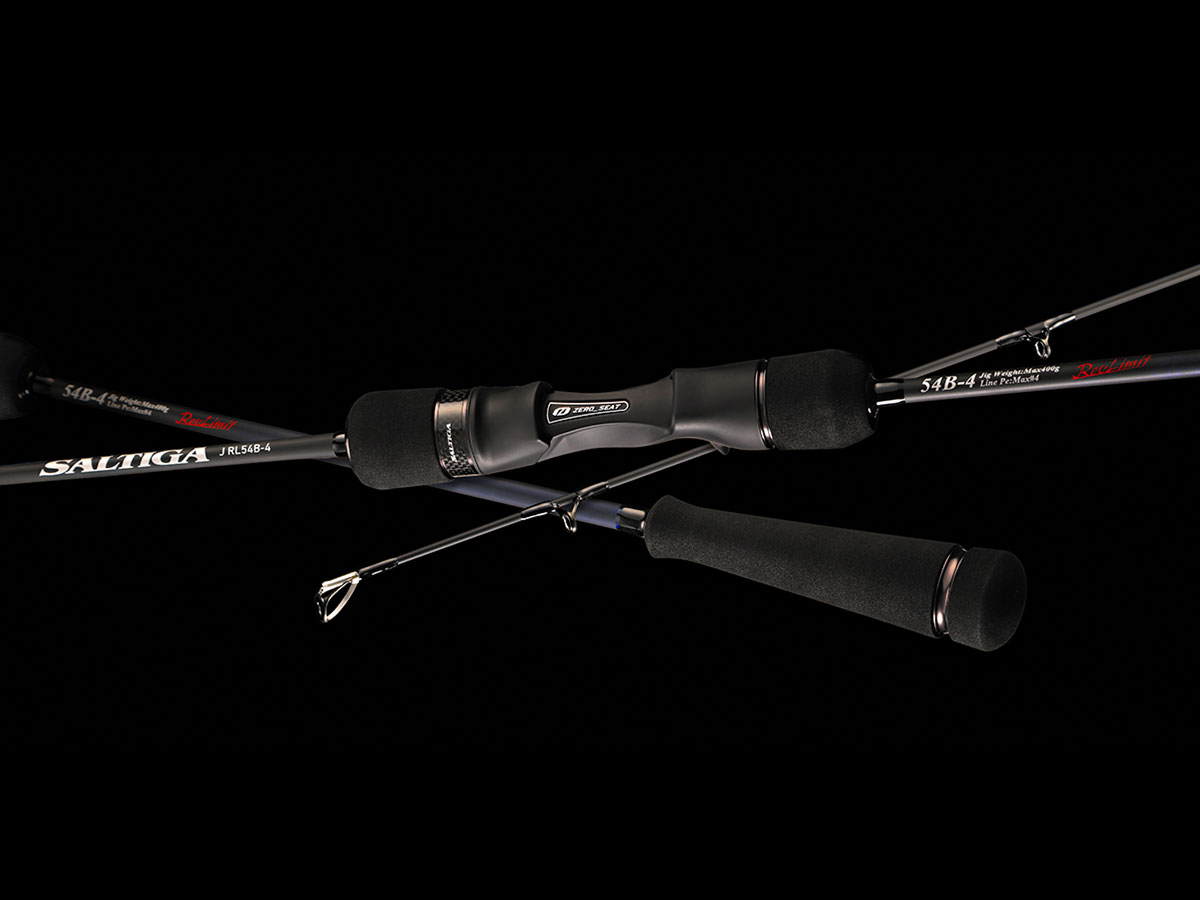
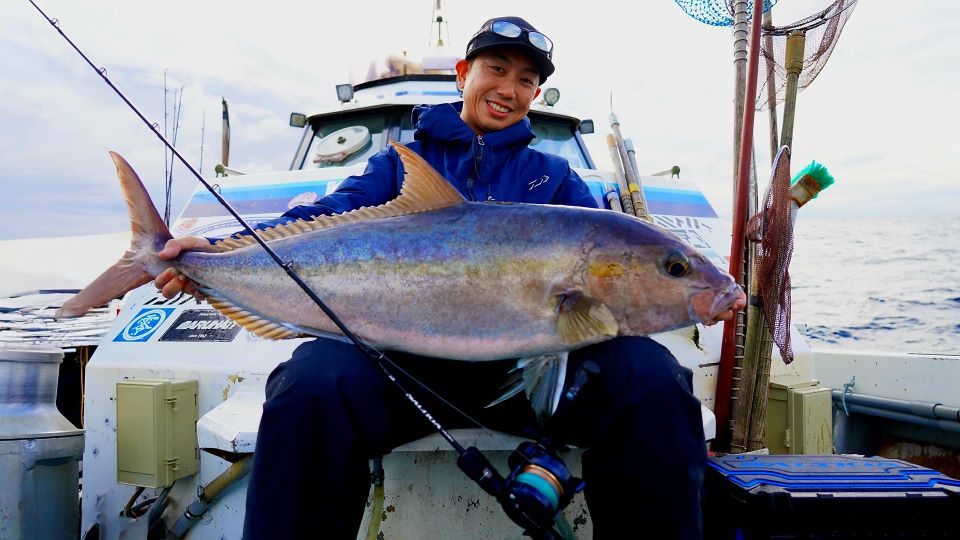
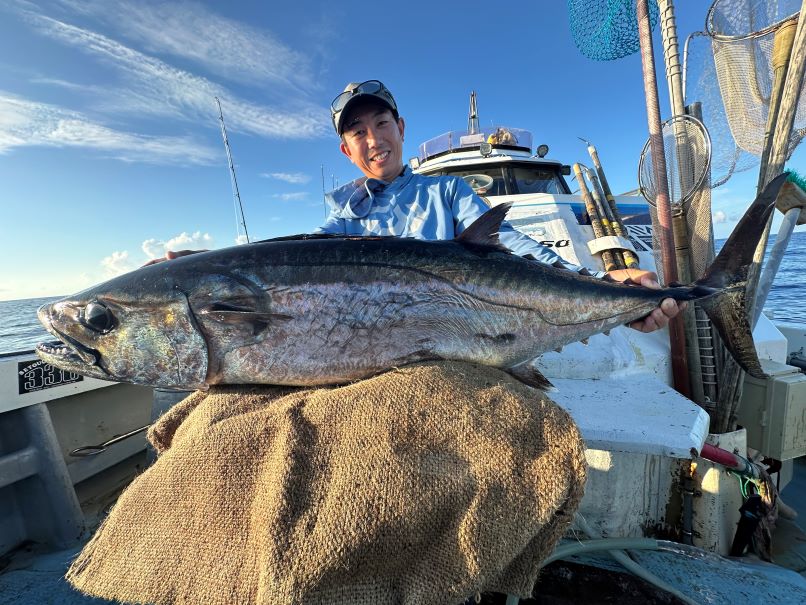
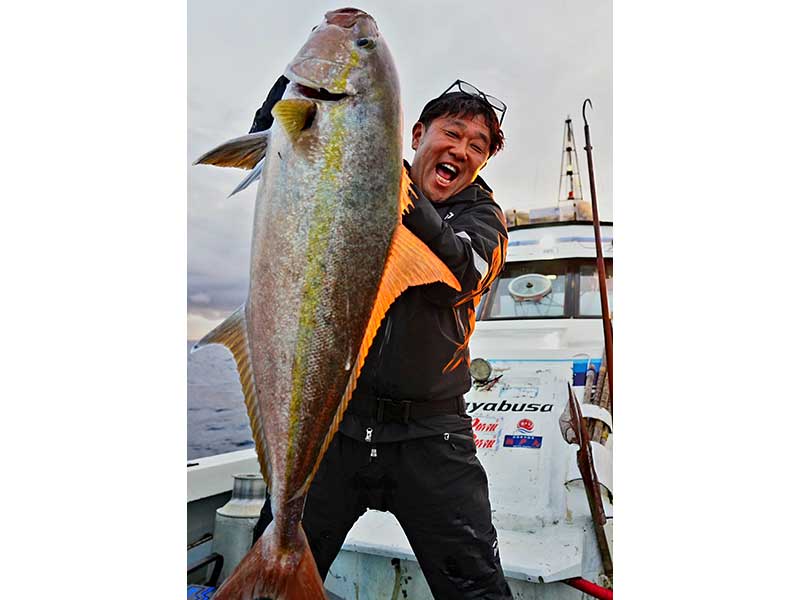
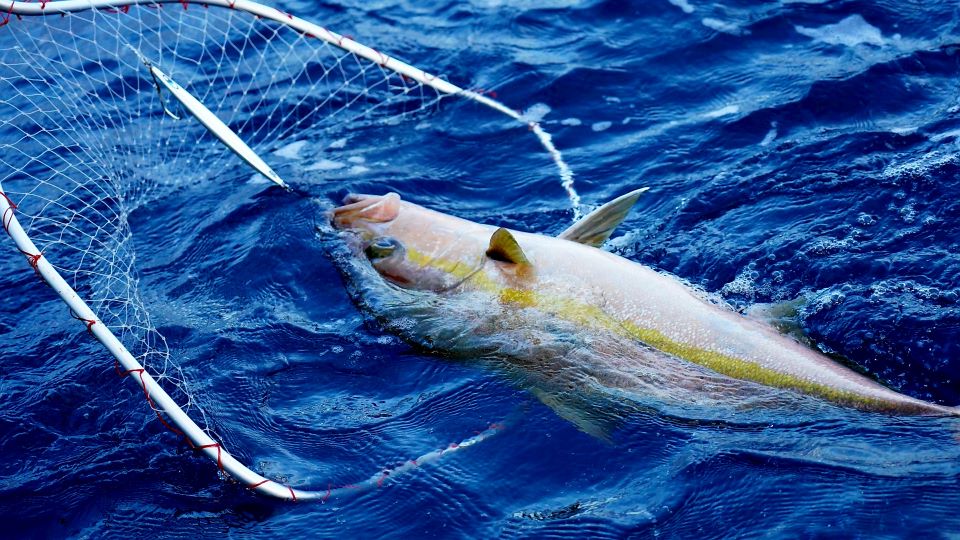
When targeting large fish such as tuna or Amberjack, you may find yourself in a situation where, for example, you’ve dropped a 400g Jig to a depth of 150m and the rod tip simply won’t snap back. When the current is running at two or more layers, the line in the mid-water column is particularly prone to being swept away by the current, making it difficult to snap the rod tip back. Depending on the conditions, even when using a 500g Jig and a No. 6 or No. 5 rod, you may be unable to jerk the Jig effectively. However, as the fish are large, you cannot use line smaller than No. 3. You want to be able to control the Jig reliably and catch fish even in such adverse current conditions. This is when a high-response Rod becomes essential. Currently, I believe most Rods capable of handling these situations are under 5ft and are very stiff. However, with a Rod that is too short, Jigging becomes a struggle where you cannot tell what you are doing. That is why the REVLIMIT is 5.4ft. There is a clear reason for choosing this length. When fishing with the REVLIMIT, tuna and Amberjack are the two main targets. For example, when fishing for tuna, the jerking speed is slow, so even with a longer rod, fatigue isn’t an issue. As large jerks are often effective, a longer rod is advantageous and gives you a real sense of control over the jig. The problem with a rod that’s too short arises during the fight. Large tuna come up towards the FUNE whilst making wide turns. At this stage, the length of the rod becomes extremely important. With a short rod, there is a higher risk of the line rubbing against the gunwale. A 5.4ft. rod allows you to manoeuvre it just clear of the gunwale, but with a rod of 5ft. or less, this is often difficult. That is precisely why rod length is so important when fishing for tuna. When it comes to Amberjack, I believe the main technique involves using a short rod and jigging at a fast pace. With the REVLIMIT, even at 5.4ft, you can employ this style of jigging that involves snapping the jig. However, what we were aiming for was high-response jigging. We’re not just thinking about jerking the jig at high speed; we’re also considering a technique where you reel the jig in quickly and then slide it widely from side to side to entice the fish to bite. By using a Rod with a tip that snaps back firmly, you can slide the jig widely and make a powerful impression on the fish.